Choosing the Right Swimming Pool: Options and Design Inspiration for Any Backyard
Identifying the most suitable swimming pool calls for thoughtful analysis of multiple designs and types. Each option, spanning in-ground, above-ground, and inflatable pool types, presents specific pros and cons. Knowing these contrasts helps homeowners form knowledgeable selections that align with their personal preferences and lifestyle. As aesthetics and functionality play vital roles, considering modern aesthetics and landscaping possibilities becomes necessary. What aspects should be weighed to secure a smooth and effective installation?
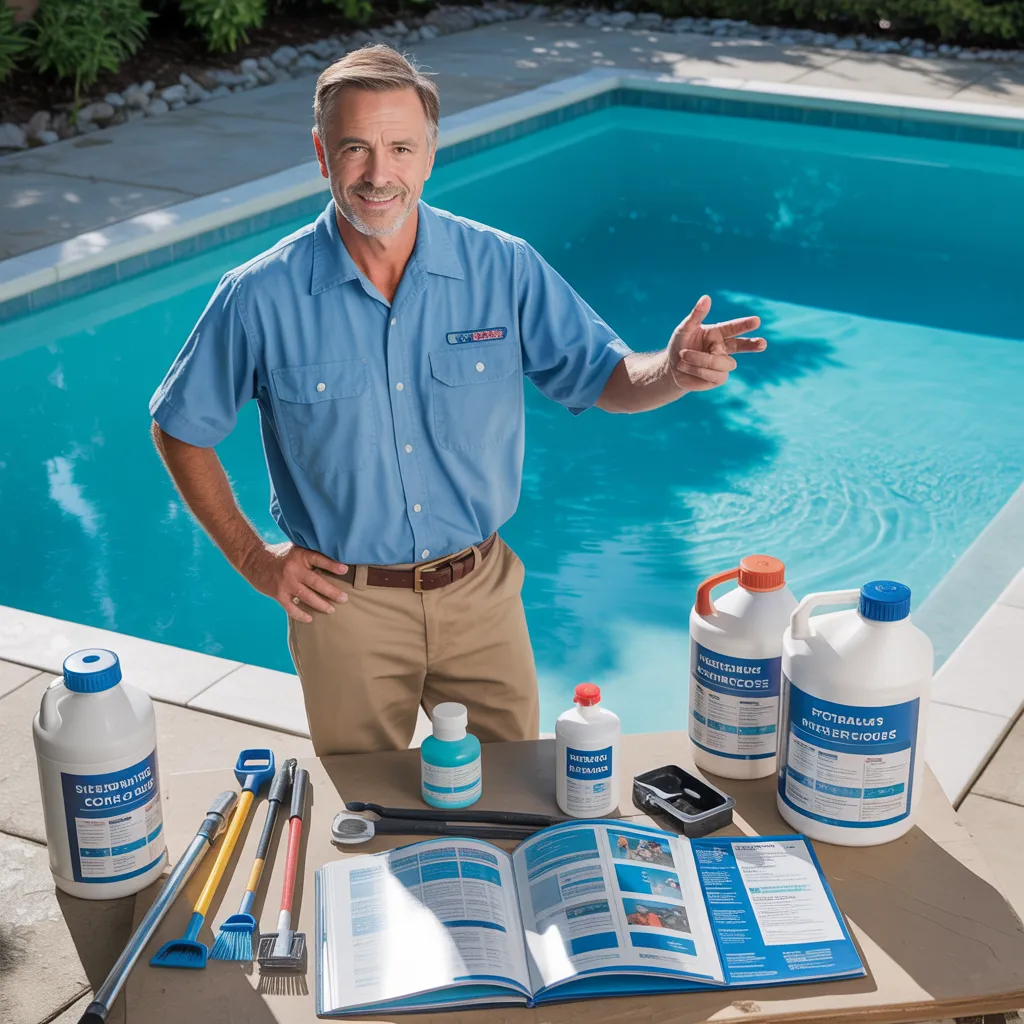
What Swimming Pool Type Is the Right Choice for You?
Picking the ideal swimming pool type can be an overwhelming decision for many homeowners. A number of factors, including financial considerations, available space, and intended use, play crucial roles in this decision. Homeowners may consider options such as in-ground pools, aboveground pools, and even inflatable varieties.
Subterranean pools, frequently considered longer-lasting, allow for varied design options and personalization, addressing aesthetic preferences and landscape integration. On the other hand, above-ground pools present budget-friendly pricing and straightforward installation, rendering them ideal for those with limited budgets or temporary needs.
In addition, inflatable pools supply convenience and flexibility, ideal for seasonal use or smaller spaces. Each type has specific pros and cons, so those considering a pool must evaluate their specific circumstances carefully. At the end of the day, the most suitable pool type should correspond to long-term goals, lifestyle, and maintenance capacity, guaranteeing a rewarding investment that improves outdoor enjoyment.
In-Ground vs. Above-Ground Pools: An Overview
When considering a swimming pool, homeowners frequently struggle with the dilemma between above-ground and in-ground options. Inground pools typically offer a more permanent and aesthetically pleasing solution, seamlessly integrating with the backyard setting. They may be tailored in shape, materials, and size, providing a tailored fit to any backyard design. That said, the installation process can be expensive and lengthy.
On the other hand, above-ground pools offer a budget-friendly choice for families looking for water-based recreation. They are easier to install and can often be set up in only a couple of days. Although they might not have the visual appeal of traditional in-ground pools, contemporary designs have significantly enhanced their appearance. Maintenance for both types varies, with in-ground pools usually needing greater attention. At the end of the day, the decision copyrights on personal preferences, budget, and desired longevity, making it essential for homeowners to weigh the pros and cons of each option carefully.
Leading In-Ground Swimming Pool Options
When choosing a below-ground pool, a few standout choices offer distinct benefits. Concrete pools offer durability and customization, while fiberglass pools offer rapid installation and minimal upkeep. Vinyl liner pools present an affordable alternative with a variety of design choices, each catering to different preferences and budgets.
Concrete Pool Advantages
Concrete pools stand out as a top selection for below-ground pool installations due to their durability and design flexibility. In contrast to alternative materials, concrete can be molded into virtually any shape or size, allowing homeowners to create a personalized retreat that suits their yard perfectly. This adaptability means that features such as ledges, seating areas, and water elements can be effortlessly incorporated. Moreover, concrete pools are remarkably durable, built to handle harsh weather conditions and heavy usage. When properly maintained, they can endure for many years, making them a long-term investment. Additionally, the porous quality of concrete allows for a variety of finishes, ranging from tile work to plaster applications, boosting visual attractiveness. Overall, concrete pools offer a balance of performance and beauty, making them a compelling choice.
Advantages of Fiberglass Pools
Fiberglass pools present an attractive option for homeowners seeking an in-ground swimming solution, especially due to their reduced maintenance demands and efficient installation procedure. Built using a resilient material, these pools resist algae growth, substantially minimizing the requirement for chemical applications. Their polished surface is not only gentle to the touch but also minimizes the risk of scratches and abrasions. In addition, fiberglass pools come in a variety of shapes and sizes, allowing for customization to fit diverse backyard aesthetics. The versatility in design allows homeowners to craft a distinctive outdoor environment. Additionally, their efficient energy use can contribute to decreased heating bills, making fiberglass pools a wise and budget-friendly selection for those looking to enhance their property.
Vinyl Liner Selections
Vinyl liner pools represent a popular choice for homeowners in search of a versatile and budget-friendly backyard swimming solution. These pools feature a flexible vinyl lining, which enables numerous shapes and dimensions, supporting various backyard layouts. Homeowners have access to an extensive range of designs and color options, enhancing the aesthetic appeal of their outdoor spaces.
In addition, vinyl liner pools are usually less expensive to set up when measured against fiberglass or concrete alternatives. Upkeep is also made easier, as the smooth surface limits algae growth. That said, it is necessary to recognize that liners generally require replacing every 7 to 15 years, based on usage and care. All things considered, vinyl liner pools deliver an appealing balance of cost-effectiveness, personalization, and low-maintenance upkeep for contemporary homeowners.
Contemporary Swimming Pool Ideas for Your Backyard
What sets a contemporary swimming pool design apart in a backyard? The clean lines and minimalist design create a welcoming ambiance that harmoniously integrates with modern architecture. These pools often feature geometric shapes, such as rectangles or squares, enhancing clarity and focus in outdoor spaces. Components including glass, stainless steel, and natural stone are regularly utilized, providing an elegant yet understated aesthetic.
Infinity edges represent a defining feature of contemporary design, creating a seamless visual link between the pool and its environment, frequently creating the impression of water stretching toward the horizon. Additionally, incorporating features like LED lighting and built-in seating adds functionality and enhances the overall ambiance.
Water features, such as fountains or waterfalls, can be integrated for a touch of elegance. Ultimately, modern swimming pool designs prioritize not only beauty but also the experience, transforming backyards into luxurious retreats that invite relaxation and enjoyment.
Landscaping Tips to Transform Your Pool Area
Elevating the pool area requires deliberate landscaping that builds a balanced environment. Incorporating rich vegetation, ornamental decking, and effective shade structures can convert the space into a tranquil sanctuary. These elements not only elevate aesthetics but also enhance functionality and ease.
Verdant Green Landscapes
When evaluating the overall attractiveness of a swimming pool, vibrant green landscapes can significantly improve the complete enjoyment. Integrating vibrant landscaping elements, such as ornamental grasses, flowering shrubs, and native plants, establishes a tranquil atmosphere that harmonizes with the water's cool shades. Thoughtfully positioned trees not only provide shade but also introduce dimensional appeal, while spreading plants can soften hard edges around the pool area. Furthermore, the incorporation of exotic plants, such as palms and ferns, can create a vacation-inspired setting. To maximize the visual impact, layering plants at varying heights adds dimension, while colorful blooms offer year-round appeal. Overall, a well-designed landscape converts the swimming space into a peaceful retreat, welcoming calm and recreation.
Decorative Pool Deck Surfaces
Decorative pool decking stands as a fundamental feature in establishing an appealing and versatile outdoor environment. It improves the visual appeal while offering a secure surface for poolside use. Various materials, such as natural stone, concrete, and wood, offer unique textures and colors, enabling homeowners to select designs that harmonize with their environment. Incorporating patterns, mosaics, or decorative tiles can further elevate the visual appeal. Furthermore, incorporating landscaping elements, such as planters or seating zones, can naturally merge the decking with the garden. Proper drainage and slip-resistant finishes are crucial considerations for safety. Through careful selection and planning of pool decking, homeowners can convert their pool space into an elegant sanctuary that showcases individual taste and promotes tranquility.
Practical Shade Selections
A carefully crafted pool area balances visual appeal with comfort and functionality. To improve how the area can be enjoyed, incorporating functional shade options is essential. Pergolas offer a stylish solution, offering dappled shade while letting natural light pass through. Shade sails are a flexible alternative, conveniently repositioned to manage sunlight exposure. For a more permanent structure, gazebos can create a cozy retreat, furnished with comfortable seating and decorative touches. Additionally, strategically placed trees or tall shrubs can deliver eco-friendly sun protection, enhancing the natural character of the space. These options not only protect swimmers from harsh sunlight but also create inviting spaces for relaxation, ensuring the pool space remains pleasant at all hours.
Financial Planning for Your Dream Swimming Pool
Although the allure of a dream swimming pool is undeniable, thoughtful financial planning is detailed resource essential to make that dream a reality. Homeowners should start by determining their overall budget, factoring in both initial installation and long-term maintenance costs. Elements like pool style—inground or above ground—significantly affect overall costs. Although inground pools come at a higher cost, they frequently contribute significant value to a property.
Furthermore, it is necessary to factor in additional features like heating, lighting, and decking, which can enhance the swimming experience but also significantly raise costs. Pool landscaping should also be accounted for in your budget, as it contributes to the complete aesthetic appeal.
Lastly, pool buyers should set aside resources for surprise expenditures, which can occur during construction. Engaging with qualified contractors for estimates and reviewing funding solutions can provide clarity and simplify the budget planning, ensuring that the ideal pool becomes a worthwhile investment without financial hardship.
Common Questions and Answers
What Are the Best Ways to Maintain Pool Water Quality Throughout the Year?
In order to preserve pool water quality all year long, routine testing and adjustment of pH and chlorine levels is necessary. Consistent cleaning, proper filtration, and ongoing water temperature checks are also key to maintaining a healthy swimming environment.
Which Safety Features Should I Look Into for My Pool?
Safety features to evaluate for a pool include pool covers, fencing, alarms, self-closing gates, and slip-resistant surfaces. Additionally, installing pool lights and ensuring proper supervision can greatly enhance safety for all users.
Can I Put in a Pool by Myself?
Yes, a pool can be installed by an individual, given that the person holds the necessary skills, tools, and knowledge. Nevertheless, professional support is commonly advised to guarantee compliance with local regulations, safety, and quality construction.
What Permits Are Required for Pool Installation?
Permits for pool installation typically include plumbing, building, and electrical permits. Local regulations may vary, so it is necessary to speak with local officials to confirm conformity with safety standards and zoning laws.
What Is the Most Efficient Way to Heat My Pool?
For efficient pool heating, you can use solar heaters, heat pumps, or gas heaters. Furthermore, installing a solar cover can assist in retaining heat, limiting energy loss throughout cooler nights and improving the overall heating efficiency.